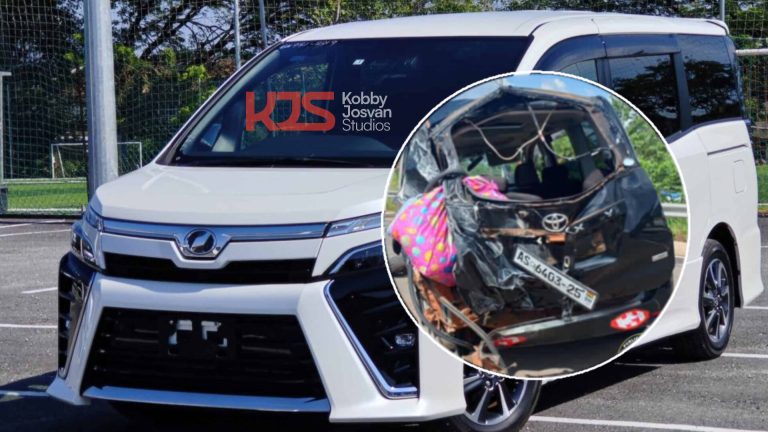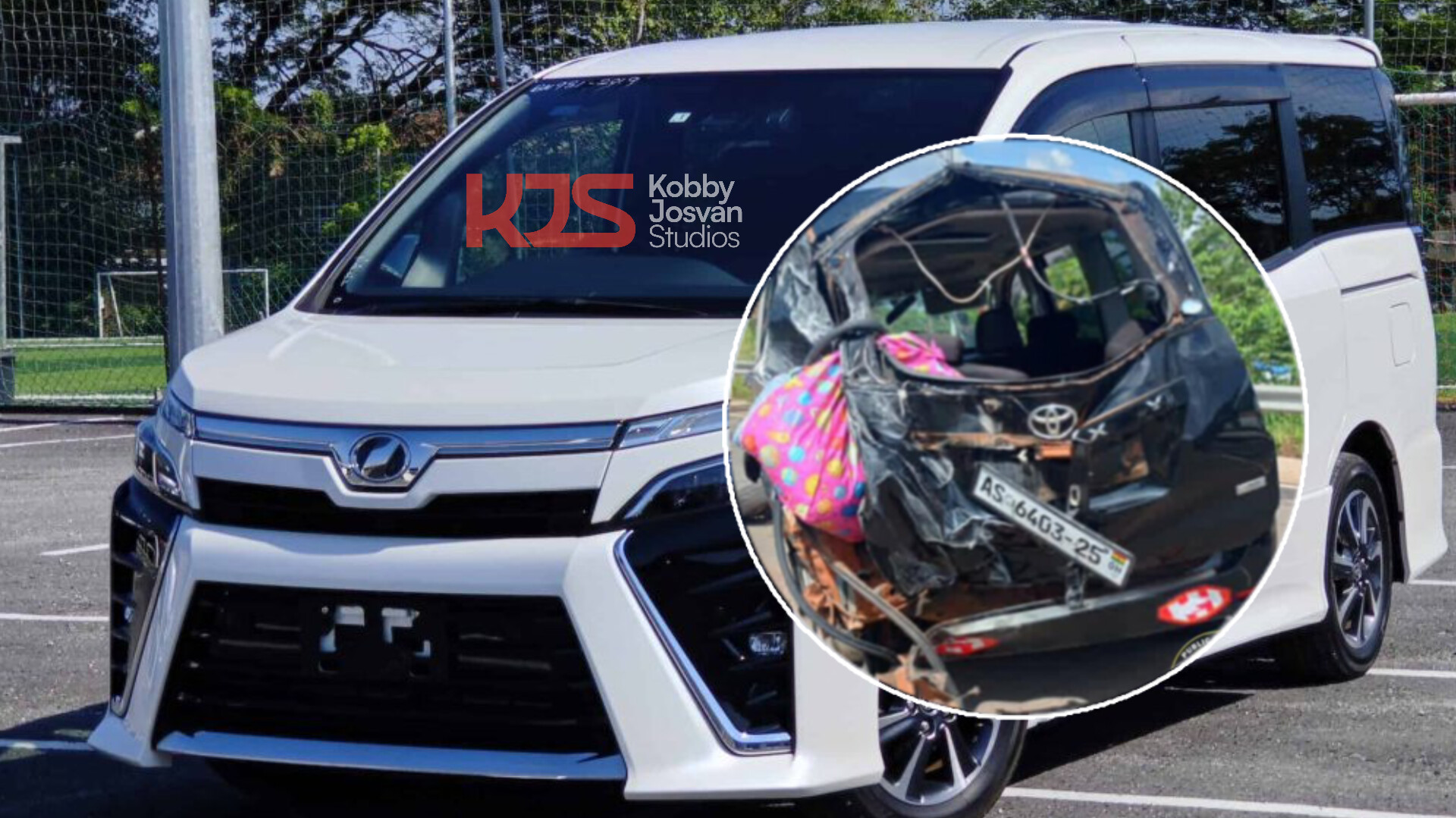
In recent times, the Toyota Voxy has become a subject of intense public debate in Ghana, particularly due to its growing involvement in road traffic accidents. Across social media and news platforms, videos frequently capture Voxy drivers engaging in reckless driving behaviors — dangerous overtaking, overspeeding, and disregard for road safety rules. This raises an important question: Is the vehicle itself the problem, or is the issue rooted in driver behavior?
Understanding the Vehicle Concerns
From a technical and regulatory standpoint, concerns have been raised about the Toyota Voxy’s suitability for commercial use. According to the National Road Safety Authority (NRSA), the vehicle was originally designed as a family minivan for intra-city use, not for heavy commercial transport or long-distance travel.
Additionally, most Voxy vehicles in Ghana are converted from right-hand drive (RHD) to left-hand drive (LHD) — a process not approved by the manufacturer. These conversions involve major structural changes to critical systems such as steering, braking, and suspension, which can compromise the vehicle’s stability and safety.
Experts have also indicated that these modifications are often done without proper standardization, increasing the risk of mechanical failure, especially at high speeds or under heavy load.
Due to these concerns, authorities have even considered or implemented restrictions on the use of the Voxy for commercial passenger transport, citing it as unsuitable for such operations under current conditions.
The Human Factor: Driver Behavior
While technical concerns exist, many industry stakeholders argue that the primary cause of accidents is not the car, but the driver.
Reports and observations suggest that some drivers operate these vehicles under intense economic pressure, pushing them to meet daily sales targets, which often leads to reckless driving practices.
Additionally, issues such as:
- Inadequate driver training
- Indiscipline on the road
- Dangerous overtaking and speeding
- Lack of adherence to traffic regulations
have all contributed significantly to the increasing number of road crashes.
Some transport operators also argue that poor road conditions and weak enforcement of traffic laws further worsen the situation, making accidents more likely regardless of the vehicle type.
Systemic Failures and Regulatory Gaps
The issue goes beyond just the car or the driver — it reflects broader systemic challenges. Investigations have revealed lapses across key institutions, including:
- Weak enforcement of import regulations
- Inadequate vehicle inspection processes
- Poor monitoring of commercial transport operations
In fact, thousands of these vehicles reportedly entered the country and were registered without proper approval or inspection, highlighting serious regulatory failures.
Should the Toyota Voxy Be Banned?
The debate continues: should the vehicle be banned, or should stricter regulations be enforced?
A complete ban may address immediate safety concerns, especially regarding unapproved modifications. However, banning alone may not solve the root problem if:
- Driver indiscipline persists
- Road safety enforcement remains weak
- Regulatory bodies fail to ensure compliance
A more balanced approach may include:
- Strict inspection and certification of converted vehicles
- Enhanced driver training and licensing systems
- Strong enforcement of traffic laws
- Continuous public education on road safety
The issue of Toyota Voxy accidents in Ghana cannot be attributed to a single cause. It is a combination of vehicle limitations, unsafe modifications, reckless driving, and systemic regulatory failures.
Rather than focusing solely on blaming the car or the driver, stakeholders must adopt a holistic approach that addresses all contributing factors.
Ultimately, road safety is a shared responsibility — involving drivers, regulators, vehicle owners, and the government. Without coordinated action, the risk to lives will continue to rise.
About The Author